Metacognition Quiz: How Well Do You Understand Your Thinking?
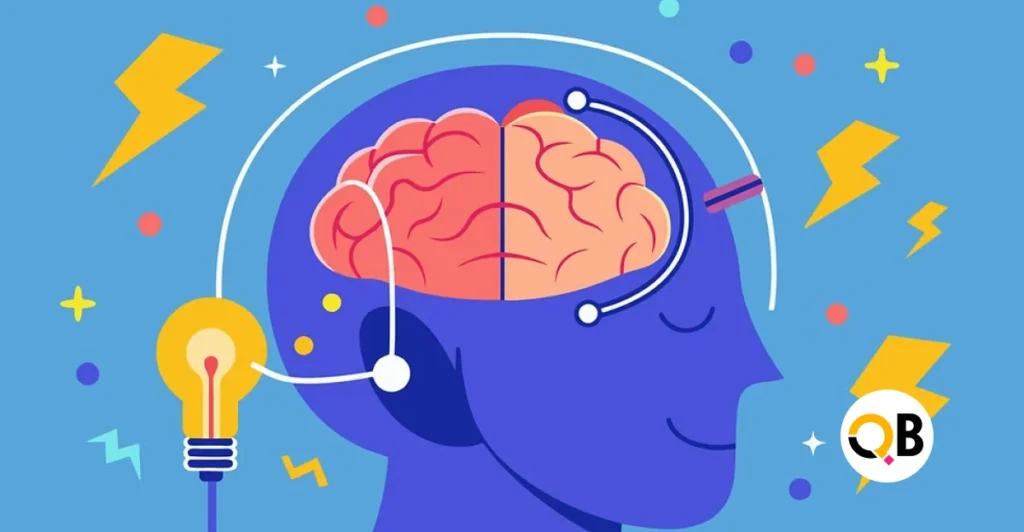

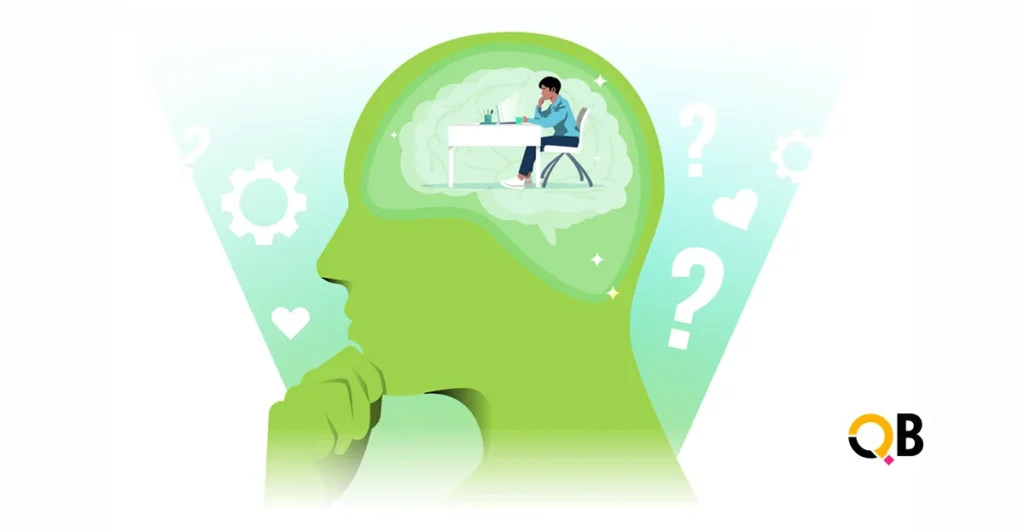
Have you ever paused while studying and asked yourself, “Do I really understand this?” That moment is a perfect example of metacognition in action. It is not just about learning, but about understanding how you learn.
This metacognition quiz is designed to help you explore how you think, plan, and evaluate your own learning process. It combines knowledge testing with real-life thinking scenarios so you can improve your awareness while having fun.
What Is Metacognition?
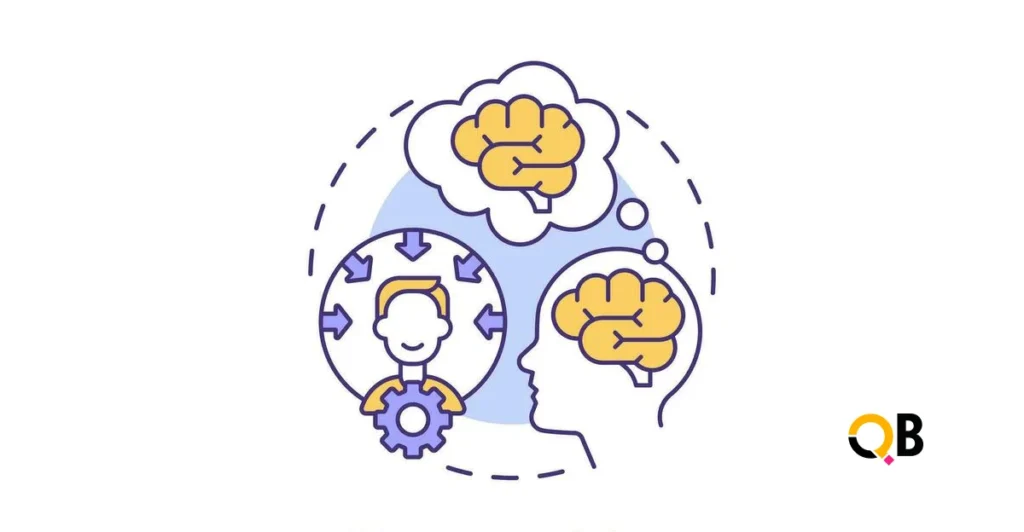
Metacognition simply means “thinking about thinking.” It involves being aware of your mental processes and actively controlling them.
Instead of passively absorbing information, a metacognitive learner asks questions like:
- What do I already know about this topic?
- Which strategy should I use?
- Did I understand this correctly?
This awareness helps you become a more effective learner. It shifts learning from automatic to intentional.
Cognition vs Metacognition
Cognition is the act of thinking, learning, and remembering. Metacognition goes a step further. It is about managing those processes.
For example:
- Cognition: Solving a math problem
- Metacognition: Checking if your method makes sense and adjusting if needed
Understanding this difference is essential for improving your thinking skills.
Types of Metacognition You Should Know
Metacognition is not just one skill. It includes different types of knowledge and control over your thinking.
Metacognitive Knowledge
This refers to what you know about your own thinking.
It includes:
- Declarative knowledge: Knowing what you know
- Procedural knowledge: Knowing how to do something
- Conditional knowledge: Knowing when and why to use a strategy
For example, knowing that summarising helps you remember better is declarative knowledge. Choosing to summarise a chapter because it is complex is conditional knowledge.
Metacognitive Regulation
This is about controlling your thinking process. It includes three key stages:
- Planning before starting a task
- Monitoring while doing the task
- Evaluating after completing it
These stages are central to many quiz questions you will encounter, especially scenario-based ones.
Key Metacognitive Skills in Action
Strong metacognitive thinkers use specific skills to guide their learning.
Planning
Before you begin, you decide:
- What is my goal?
- Which strategy will I use?
- How much time will I need?
Good planning increases efficiency and reduces confusion.
Monitoring
While working, you continuously check your understanding.
For example:
- Does this make sense?
- Am I on the right track?
If not, you adjust your approach.
Evaluating
After completing a task, you reflect:
- What worked well?
- What should I improve next time?
This step is often overlooked but is crucial for long-term improvement.
Real-Life Applications of Metacognition
Metacognition is not just for school. It plays a role in everyday decisions and problem-solving.
Studying More Effectively
Students who use metacognitive strategies:
- Review mistakes instead of ignoring them
- Adjust study techniques based on results
- Focus on understanding rather than memorising
Better Problem-Solving
When facing a challenge, metacognitive thinkers:
- Break the problem into smaller steps
- Evaluate different approaches
- Change strategies if something is not working
Smarter Decision-Making
In daily life, metacognition helps you:
- Think before acting
- Consider alternatives
- Learn from past experiences
These skills are often tested in medium and hard quiz questions through realistic scenarios.
Learning Techniques That Build Metacognition
You can actively improve your metacognitive abilities using simple techniques.
Self-Questioning
Ask yourself questions during learning:
- What is the main idea here?
- Can I explain this in my own words?
This keeps your brain engaged.
Reflection
After completing a task, take a moment to think about your performance.
Reflection helps you identify patterns in your learning.
Error Analysis
Instead of ignoring mistakes, analyse them:
- Why did I get this wrong?
- What should I do differently next time?
This is one of the most powerful ways to improve.
Goal Setting
Set clear and realistic goals before starting any task.
For example:
- Finish reading one chapter and summarise it
- Solve five problems and review errors
Goals give direction to your thinking process.
Common Misconceptions About Metacognition
There are several myths that can prevent people from using metacognitive strategies effectively.
“Metacognition equals intelligence”
This is not true. Metacognition is a skill, not a measure of intelligence. Anyone can develop it with practice.
“Only smart people use metacognition”
In reality, successful learners often become “smart” because they use metacognitive strategies consistently.
“It takes too much time”
At first, it may feel slower. But over time, it actually saves time by reducing mistakes and improving understanding.
How This Quiz Improves Your Thinking
This quiz is not just about right or wrong answers. It is designed with different difficulty levels to deepen your thinking.
- Easy questions focus on basic definitions and concepts
- Medium questions explore real-life applications
- Hard questions use scenarios where you decide what to do next
You will encounter questions like:
- Which strategy should you use before starting a task?
- What is the best way to check your understanding?
- How should you respond when you realise a mistake?
These question styles are designed to strengthen your metacognitive awareness while testing your knowledge.
Why Metacognition Matters for Lifelong Learning
Learning does not stop after school. Whether you are improving a skill, making decisions, or solving problems, metacognition helps you stay adaptable.
It allows you to:
- Learn from experience
- Adjust strategies quickly
- Build confidence in your thinking
Platforms like QuizBombs.com make it easier to practice these skills in a structured and engaging way, combining learning with interactive quizzes that challenge how you think.
FAQs About Metacognition
What is metacognition in simple terms?
Metacognition means being aware of your own thinking and learning processes. It involves planning, monitoring, and evaluating how you learn.
Why is metacognition important?
It helps you learn more effectively, avoid mistakes, and improve problem-solving and decision-making skills.
Can metacognition be improved?
Yes, it can be developed through practice using techniques like self-questioning, reflection, and error analysis.
What is the difference between cognition and metacognition?
Cognition is the act of thinking, while metacognition is thinking about and managing that thinking process.
Are metacognitive skills useful outside school?
Yes, they are useful in everyday life, especially for decision-making, planning, and solving real-world problems.


Leave a Reply