
Emotional Intelligence Test: Discover Your EQ Archetype
 The Social Connector
- The Calm Navigator
- The Compassionate Listener
- The Emotional Sage
- The Balanced Empath
- The Inspiring Leader
- The Resilient Optimist
- The Reflective Thinker








Have you ever wondered why some people stay calm during stressful situations, seem to understand what others are feeling, or communicate effectively even during difficult conversations?
The answer often comes down to emotional intelligence.
Our Emotional Intelligence Test is designed to help you explore the emotional skills that influence your relationships, communication style, self-awareness, and decision-making. Emotional intelligence, often called EQ, affects how we understand our own emotions and respond to the emotions of others.
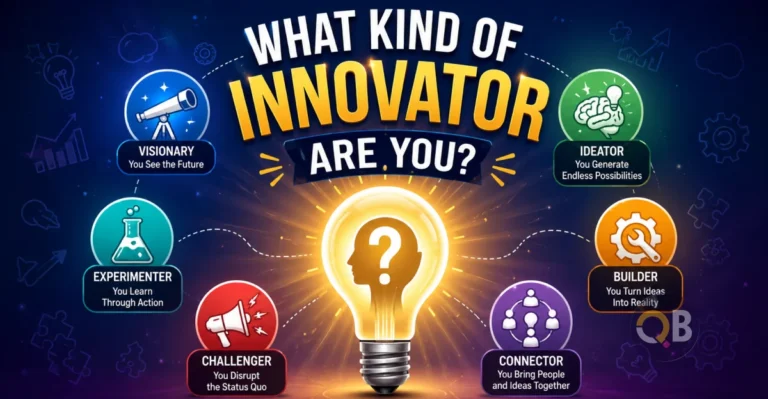
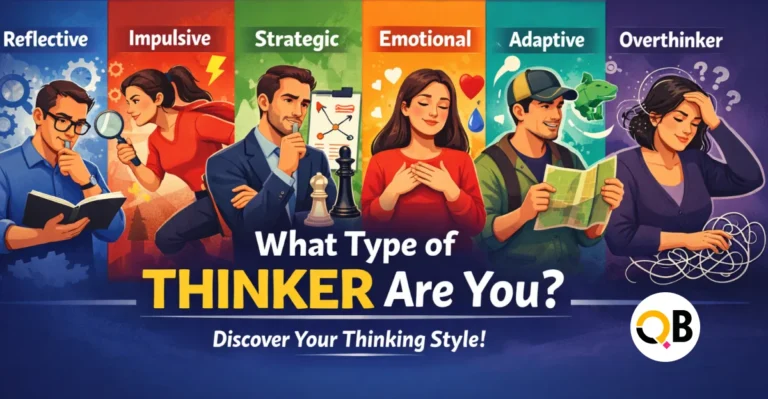
Whether you’re interested in personal growth, curious about your emotional strengths, or simply enjoy personality quizzes, this emotional intelligence quiz offers an engaging way to learn more about yourself. If you enjoy exploring how your mind works, you may also enjoy our What Type of Thinker Are You? quiz and What Kind of Innovator Are You? assessment, which reveal different aspects of how you process information, solve problems, and approach challenges.
What Is Emotional Intelligence?
Emotional intelligence is the ability to recognize, understand, manage, and respond to emotions effectively.
The concept goes beyond simply being emotional or sensitive. It involves understanding why emotions occur, how they influence behavior, and how they affect interactions with other people.
Most experts describe emotional intelligence as including several key skills:
- Self-awareness
- Self-regulation
- Empathy
- Social awareness
- Relationship management
- Emotional resilience
People with strong emotional intelligence often understand their emotional reactions, communicate thoughtfully, and adapt well to changing situations.
Unlike IQ, which measures cognitive abilities, EQ focuses on emotional and social skills that shape everyday life.
Why Take an Emotional Intelligence Test?
Many people assume emotional intelligence is something you either have or do not have. In reality, emotional skills can develop throughout life.
Taking a free emotional intelligence test can help you:
- Understand your emotional strengths
- Identify areas for growth
- Improve communication skills
- Learn how you respond to stress
- Explore relationship patterns
- Gain insight into your leadership potential
The results are not intended as a clinical assessment. Instead, they provide a thoughtful snapshot of how you naturally engage with emotions and relationships.
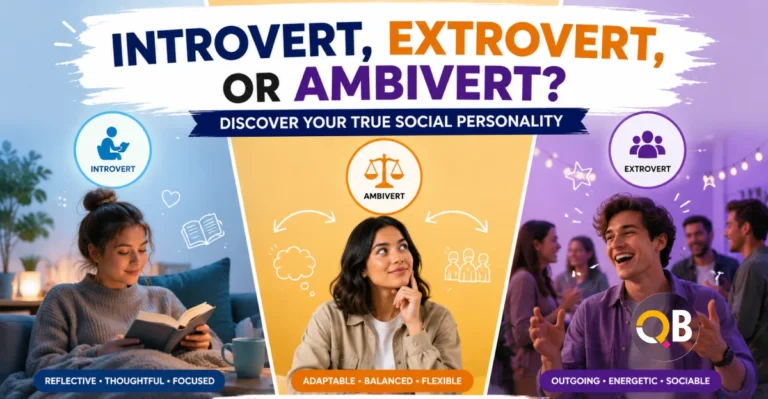
Emotional intelligence is closely connected to self-awareness. People who understand their emotions often gain valuable insights from personality assessments that explore behavior, communication preferences, and decision-making patterns. For a broader view of your personality, you can also explore our Introvert, Extrovert or Ambivert Personality Test, which examines how you naturally interact with the world and recharge your energy.
The 8 Emotional Intelligence Archetypes
Everyone experiences emotions differently. This quiz identifies which of eight emotional intelligence archetypes best reflects your natural tendencies.
The Emotional Sage
The Emotional Sage possesses exceptional emotional awareness and self-understanding.
People in this archetype often reflect carefully before reacting. They recognize emotional patterns, understand their motivations, and use emotional insight to make thoughtful decisions.
The Compassionate Listener
The Compassionate Listener excels at empathy and emotional support.
Friends, family members, and colleagues often feel comfortable opening up to them because they create environments where people feel heard, understood, and valued.
This archetype shares many qualities with strong empathy, including active listening, compassion, and emotional understanding. If you’re curious about your ability to connect with the feelings of others, our Empathy Test Quiz can provide additional insight into one of the most important components of emotional intelligence.
The Calm Navigator
The Calm Navigator remains composed during challenging situations.
Rather than reacting impulsively, they assess circumstances carefully, regulate their emotions effectively, and help others remain grounded during stressful moments.
The Social Connector
The Social Connector thrives in social settings and naturally builds relationships.
They understand interpersonal dynamics, communicate effectively, and often serve as the bridge between different personalities and perspectives.
The Resilient Optimist
The Resilient Optimist demonstrates emotional strength and adaptability.
While setbacks may be disappointing, they recover quickly, maintain perspective, and focus on solutions rather than obstacles.
The Reflective Thinker
The Reflective Thinker values introspection and personal growth.
They frequently examine their experiences, emotions, and behaviors to gain deeper understanding and improve future decisions.
The Inspiring Leader
The Inspiring Leader combines emotional awareness with influence.
They motivate others through empathy, communication, encouragement, and an ability to navigate complex interpersonal situations with confidence.
The Balanced Empath
The Balanced Empath demonstrates both compassion and healthy emotional boundaries.
They care deeply about others while maintaining emotional balance, allowing them to support people without becoming overwhelmed by the emotions around them.
How Emotional Intelligence Affects Everyday Life
Emotional intelligence influences far more than most people realize.
At work, it can improve teamwork, leadership, communication, and conflict resolution. In personal relationships, it helps people navigate disagreements, build trust, and develop stronger connections.
People with higher emotional awareness often find it easier to:
- Express themselves clearly
- Understand different perspectives
- Handle conflict constructively
- Build meaningful relationships
- Adapt to change
- Manage emotional stress
These skills often contribute to healthier relationships and greater personal satisfaction over time.
Can Emotional Intelligence Be Improved?
One of the most encouraging aspects of emotional intelligence is that it can be strengthened through practice.
Unlike some personality traits that remain relatively stable, emotional skills can improve with intentional effort and self-reflection.
Some effective ways to develop emotional intelligence include:
- Practicing active listening
- Reflecting on emotional reactions
- Improving self-awareness
- Seeking constructive feedback
- Learning stress-management techniques
- Building empathy through curiosity
Self-reflection is often one of the most effective tools for growth. Understanding how you process information can also provide valuable insights, which is why many people enjoy exploring assessments such as What Type of Thinker Are You? alongside emotional intelligence tests.
Small improvements in emotional awareness can lead to meaningful changes in relationships, communication, and personal wellbeing.
Emotional Intelligence and Personality
Although personality and emotional intelligence are related, they are not the same thing.
An introvert can have excellent emotional intelligence. An extrovert can struggle with emotional awareness. Likewise, highly analytical thinkers may possess strong empathy, while creative innovators may excel at emotional regulation.
Personality describes your natural preferences and tendencies. Emotional intelligence focuses on how effectively you understand and manage emotions.
Understanding both dimensions provides a more complete picture of who you are. Pairing this quiz with our Introvert, Extrovert or Ambivert Personality Test can help reveal how your personality preferences interact with your emotional strengths.
What Your Results Can Teach You
Your result is not a label or a score that determines your value.
Instead, it offers insight into the emotional strengths and tendencies that shape your daily experiences.
Each archetype highlights different approaches to communication, empathy, resilience, self-awareness, and social interaction. Some people may discover strengths they never fully recognized. Others may identify opportunities for growth and development.
The goal is not perfection.
The goal is greater self-understanding.
When you understand your emotional patterns, you can make more intentional decisions, strengthen your relationships, and develop skills that support both personal and professional success.
Related Personality Quizzes for Self-Discovery
Emotional intelligence is only one piece of the self-discovery puzzle.
Different personality assessments can reveal how you think, solve problems, connect with others, and approach challenges. Exploring multiple perspectives often creates a richer understanding of your strengths and tendencies.
If you enjoyed this Emotional Intelligence Test, you might also enjoy:
- Empathy Test Quiz for exploring your ability to understand and share the feelings of others.
- What Type of Thinker Are You? for discovering how you process information and make decisions.
- What Kind of Innovator Are You? for understanding your creativity and problem-solving style.
- Introvert, Extrovert or Ambivert Personality Test for learning how you gain energy and interact with the world around you.
- Are You An Overthinker? Quiz for identifying patterns of reflection, analysis, and mental processing.
Taken together, these quizzes provide a broader understanding of your emotional awareness, personality traits, communication style, and mindset.
Frequently Asked Questions
Is this a free emotional intelligence test?
Yes. You can take the quiz online and receive your emotional intelligence archetype at no cost.
Is this an official EQ assessment?
No. This quiz is designed for entertainment, self-reflection, and personal insight. It is not a clinical or psychological evaluation.
What does EQ mean?
EQ stands for Emotional Quotient, a term commonly used to describe emotional intelligence and emotional awareness skills.
How accurate is this emotional intelligence quiz?
The quiz is designed to provide meaningful personality-based insights. While many people find the results highly relatable, it should be viewed as a self-discovery tool rather than a formal psychological assessment.
Can emotional intelligence change over time?
Yes. Emotional intelligence can improve through self-awareness, reflection, communication practice, and life experience.
One response to “Emotional Intelligence Test”
-
You really make it appear so easy along with your presentation however I find this matter to be actually something that I feel I might by no means understand. It sort of feels too complex and extremely large for me. I am looking ahead on your next post, I¦ll attempt to get the hang of it!

Leave a Reply