
Introvert, Extrovert, or Ambivert? Discover Your True Social Personality
Have you ever left a social gathering feeling completely energized, while someone else needed hours of quiet time to recharge? Or maybe you find yourself somewhere in between, enjoying social interaction but also valuing your personal space.
If you’ve ever wondered, “Am I an introvert or extrovert?” you’re not alone. Human personality is far more nuanced than most people realize. While some people clearly lean toward one end of the social spectrum, many fall somewhere in the middle.
This Introvert, Extrovert, or Ambivert Personality Test is designed to help you better understand how you interact with the world, where you gain energy, and how your social preferences influence your relationships, communication style, and daily life.
What Does This Personality Test Measure?
This social personality test explores patterns in how you think, communicate, recharge, and connect with others.
Rather than placing people into rigid categories, the test looks at tendencies that often appear across three broad personality styles:
- Introverts
- Extroverts
- Ambiverts
The goal is not to label you permanently. Instead, it provides insight into your natural preferences and helps you understand why certain environments feel comfortable while others may feel draining.
Many people discover that understanding their social personality leads to better relationships, improved self-awareness, and healthier personal boundaries.

Understanding Introverts
Introverts are often misunderstood.
Being an introvert does not mean being shy, antisocial, or unfriendly. In reality, many introverts enjoy socializing and can be highly confident communicators.
What typically distinguishes introverts is where they regain energy.
Introverts often:
- Feel refreshed after spending time alone
- Prefer meaningful conversations over small talk
- Enjoy deep focus and reflection
- Think carefully before speaking
- Value close relationships over large social circles
Introverts often thrive in environments that allow concentration, independence, and thoughtful decision-making.
One common misconception is that introverts dislike people. Most simply prefer quality interactions over constant social stimulation.

Understanding Extroverts
Extroverts tend to gain energy from interaction, activity, and engagement with the outside world.
They often feel motivated by social experiences and enjoy connecting with a variety of people.
Many extroverts:
- Enjoy group activities
- Think out loud while processing ideas
- Feel energized after social events
- Build connections quickly
- Prefer collaborative environments
This does not mean extroverts never need downtime. Everyone benefits from rest and personal reflection.
However, extroverts generally feel most engaged when interacting, sharing experiences, and participating in dynamic environments.
Their natural enthusiasm can make them effective communicators, leaders, and collaborators.

Understanding Ambiverts
Many people are surprised to discover they are neither strongly introverted nor strongly extroverted.
This is where ambiverts come in.
An ambivert combines characteristics from both personality styles and adapts based on the situation.
An ambivert may:
- Enjoy social events but also need recovery time afterward
- Feel comfortable leading conversations or listening quietly
- Adapt communication styles to different people
- Appreciate both teamwork and independent work
- Shift preferences depending on mood or circumstances
In recent years, interest in the ambivert personality test has grown because many individuals recognize themselves somewhere between the two traditional categories.
Ambiverts often possess social flexibility that allows them to connect effectively across a wide range of situations.
Introvert vs Extrovert: It’s Not a Competition
One of the biggest mistakes people make is assuming one personality style is better than another.
There is no “best” personality type.
Introverts bring strengths such as reflection, focus, and careful analysis.
Extroverts often excel in networking, collaboration, and spontaneous communication.
Ambiverts frequently demonstrate adaptability and balance.
Each style offers valuable qualities that contribute to personal growth, relationships, workplaces, and communities.
Your results should be viewed as a starting point for understanding yourself rather than a judgment about your abilities.
How Your Results May Influence Daily Life
Your social personality can affect more than just conversations.
It may influence:
Relationships
Understanding how you recharge can improve communication with friends, family members, and romantic partners.
Career Preferences
Some people thrive in highly collaborative workplaces, while others perform best with periods of uninterrupted focus.
Learning Styles
Introverts may prefer independent study, while extroverts often enjoy discussion-based learning. Ambiverts can often benefit from a combination of both.
Stress Management
Knowing your natural tendencies can help you recognize when you need social connection or personal space.
How Your Results May Influence Daily Life
Your social personality can affect more than just conversations.
It may influence:
Relationships
Understanding how you recharge can improve communication with friends, family members, and romantic partners.
Career Preferences
Some people thrive in highly collaborative workplaces, while others perform best with periods of uninterrupted focus.
Learning Styles
Introverts may prefer independent study, while extroverts often enjoy discussion-based learning. Ambiverts can often benefit from a combination of both.
Stress Management
Knowing your natural tendencies can help you recognize when you need social connection or personal space.
Common Myths About Social Personality Types
Myth: Introverts Hate Socializing
Many introverts enjoy social interaction. The difference is that it may require more energy and recovery time.
Myth: Extroverts Never Need Alone Time
Everyone benefits from personal space and reflection, regardless of personality type.
Myth: Ambiverts Are Simply Undecided
Ambiversion is a legitimate personality pattern characterized by flexibility and balance.
Myth: Personality Never Changes
While core tendencies often remain relatively stable, people can develop new skills, habits, and social behaviors throughout life.
Continue Exploring Your Personality
If this assessment sparks your curiosity, there are many different ways to learn more about yourself.
You might enjoy exploring your emotional awareness with the Emotional Intelligence Test , understanding your natural empathy through the Empathy Test Quiz, or discovering broader behavioral patterns with the Big Five Personality Traits assessment.
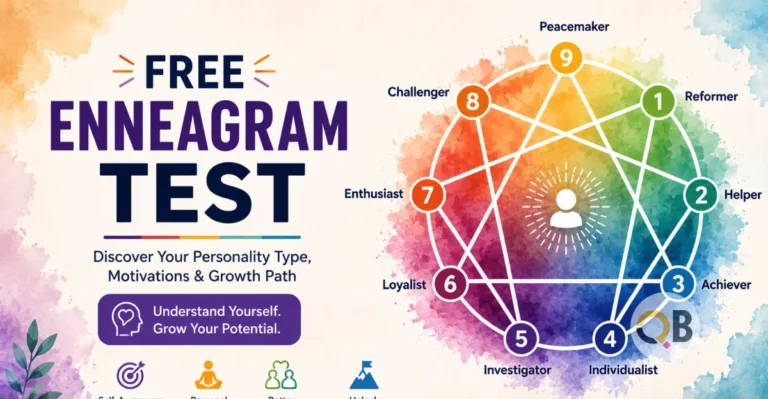
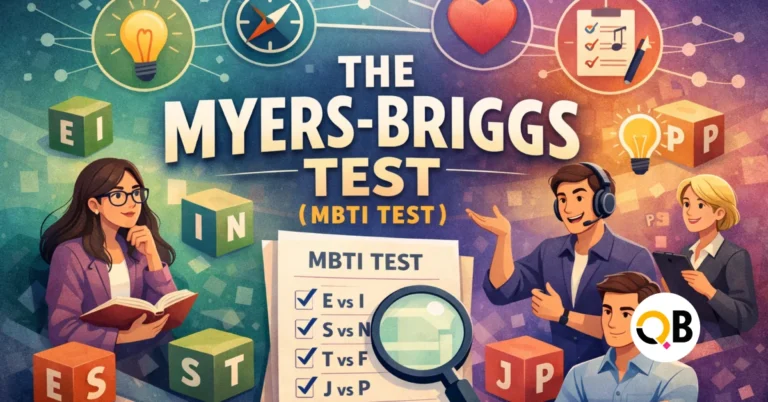
For people interested in deeper personality frameworks, the Myers Briggs Test and Enneagram Quiz can provide additional perspectives on how individuals think, communicate, and make decisions.
Remember that no single assessment can fully define who you are. Personality tools are most useful when they encourage reflection, self-awareness, and personal growth.
Frequently Asked Questions
Can I be both an introvert and an extrovert?
Yes. Many people identify as ambiverts and display characteristics of both personality styles depending on the situation.
How accurate is an introvert or extrovert test?
A well-designed personality assessment can reveal useful patterns and preferences, but results should be viewed as insights rather than absolute definitions.
Does being introverted mean being shy?
No. Shyness relates to social anxiety or discomfort, while introversion relates to how a person gains and spends energy.
Can personality change over time?
While core traits often remain relatively consistent, life experiences, personal growth, and changing circumstances can influence behavior and preferences.
What if my result does not perfectly describe me?
That is completely normal. Personality exists on a spectrum, and most people display a mix of characteristics rather than fitting perfectly into one category.

Leave a Reply