Scooby-Doo Origins Explained: From a Classic Cartoon to Netflix’s Real Dog Casting
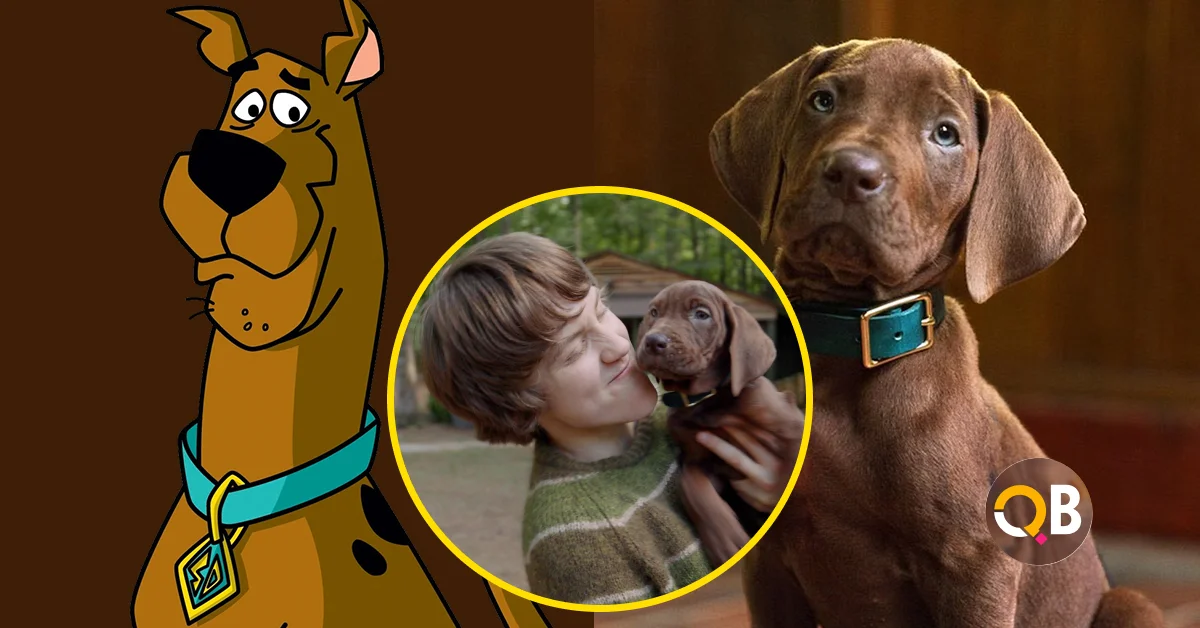
Few television characters have achieved the lasting popularity of Scooby-Doo. Since his debut in 1969, the talking Great Dane has entertained generations of viewers with spooky mysteries, memorable friendships, and plenty of comedic chaos.
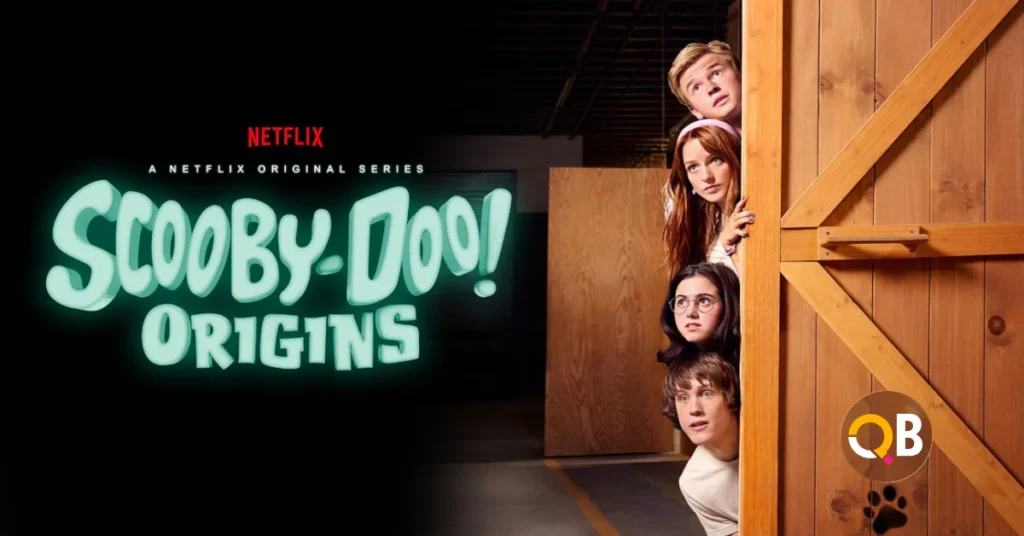
More than fifty years later, Scooby remains one of the most recognizable animated characters ever created. Interest in the franchise has surged again thanks to Netflix’s upcoming live-action series Scooby-Doo: Origins, which introduces a surprising twist that has caught the attention of longtime fans and newcomers alike.
Instead of relying entirely on computer-generated imagery, Netflix chose to use a real chocolate Great Dane puppy during production. The decision marks a notable moment in franchise history and has sparked renewed curiosity about where Scooby-Doo came from in the first place.
The story behind Scooby’s creation is filled with unexpected creative decisions, cultural influences, and clever character design choices that helped transform a simple cartoon dog into a global icon.
How Scooby-Doo Was Created
The origins of Scooby-Doo can be traced back to the late 1960s, when television networks were searching for family-friendly programming that could appeal to younger audiences without relying heavily on action or violence.
Animation studio Hanna-Barbera was tasked with developing a new series that blended mystery, comedy, and adventure.
The earliest versions of the concept looked very different from the final product. Initial drafts featured a traveling group of teenagers connected to a musical act. As development continued, the creative team shifted toward a mystery-solving format that would become the foundation of the franchise.
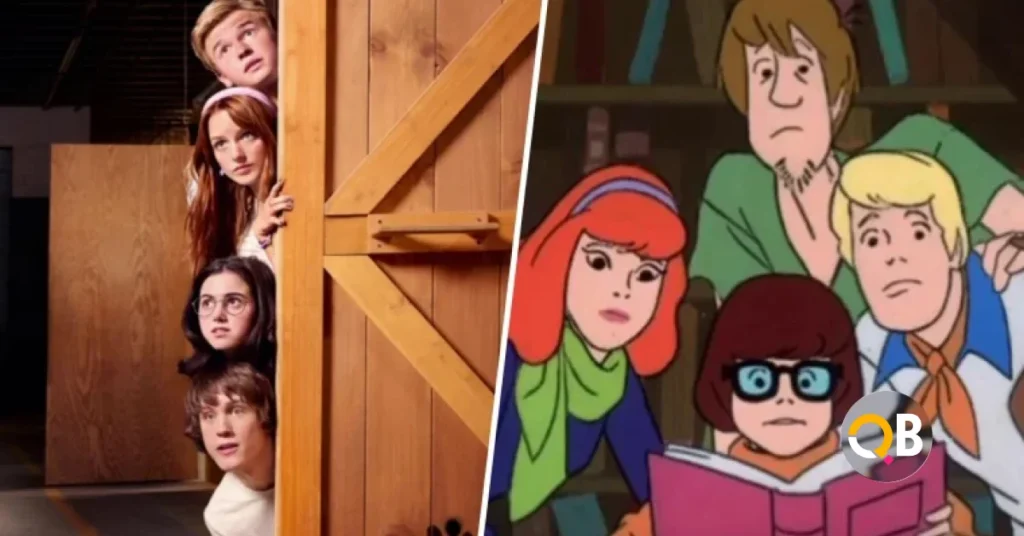
Eventually, the lineup evolved into the familiar group fans know today:
- Fred Jones
- Daphne Blake
- Velma Dinkley
- Shaggy Rogers
- Scooby-Doo
The result was Scooby-Doo, Where Are You?, which premiered in 1969 and quickly became a cultural phenomenon.
What seemed like a simple animated mystery series soon developed into one of the most successful entertainment franchises in television history.
The Unexpected Inspiration Behind Scooby’s Name
One of the most famous character names in television history came from an unlikely source.
During the final stages of development, producers were still searching for the perfect name for the lovable Great Dane.
The inspiration reportedly arrived from Frank Sinatra’s hit song Strangers in the Night.
Near the end of the song, Sinatra famously sings a playful “doo-be-doo-be-doo.” The phrase stuck in the minds of the creators, eventually evolving into the name “Scooby-Doo.”
It was memorable, fun to say, and perfectly matched the lighthearted tone of the series.
Decades later, it remains instantly recognizable across the world.
Why Scooby Was Designed to Be Different
Real Great Danes are often associated with elegance, confidence, and a commanding presence.
Scooby-Doo was intentionally designed as the opposite.
One of the creators’ most successful decisions was giving Scooby flaws that made him relatable.
Rather than being fearless, Scooby was often frightened.
His awkward and clumsy behavior made him feel more relatable than heroic.
Unlike traditional cartoon heroes, he preferred snacks and avoiding danger whenever possible.
His defining characteristics include:
- A love of food
- Constant nervousness
- Loyal friendships
- Comedic reactions to danger
- Unexpected bravery
This combination helped Scooby stand apart from other cartoon animals.
Viewers could see a little of themselves in him. Most people are not fearless heroes. They get nervous, make mistakes, and occasionally avoid challenges.
Scooby’s charm comes from overcoming those fears when his friends need him most.
Why Scooby-Doo Connected With Generations of Fans
Many animated series become tied to a specific era.
Scooby-Doo managed to remain relevant for more than five decades because its core themes never go out of style.
At its heart, every Scooby-Doo story revolves around a few timeless ideas:
- Friendship
- Curiosity
- Teamwork
- Problem solving
- Courage
The mysteries provide excitement, but the relationships keep viewers coming back.
Each member of Mystery Inc. contributes something unique.
Fred provides leadership.
Daphne often demonstrates determination and courage.
Velma brings intelligence and critical thinking.
Shaggy delivers humor and relatability.
Scooby serves as the emotional center that connects the entire group.
This balance allows fans of different personalities to identify with different characters, which is one reason the franchise continues attracting new audiences.
The Real Great Dane Behind Netflix’s Scooby-Doo: Origins
One of the biggest reasons people are searching for Scooby-Doo origins today has little to do with the original cartoon.
Instead, attention has shifted toward Netflix’s upcoming adaptation.
For decades, live-action Scooby productions typically relied on CGI to create the beloved dog.
Scooby-Doo: Origins takes a different approach.
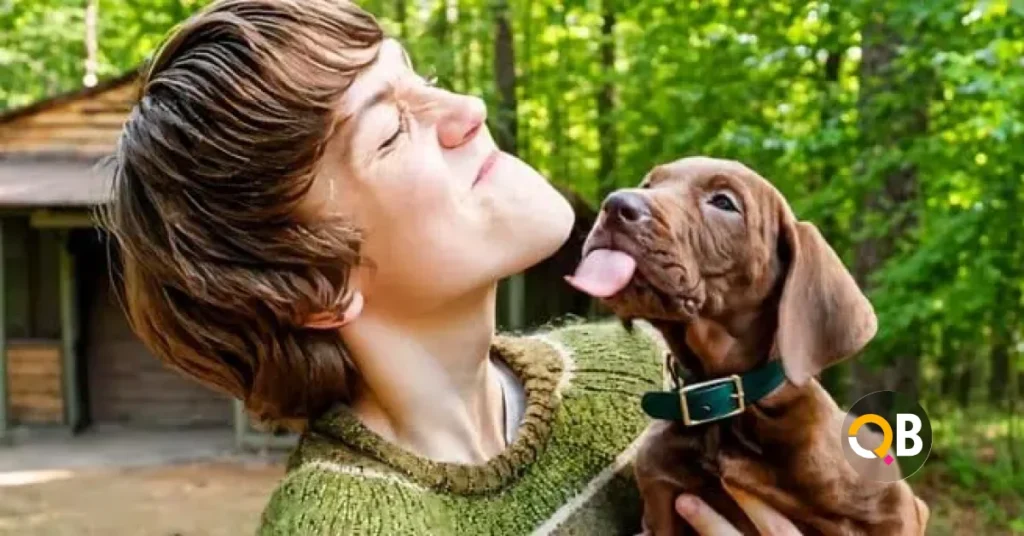
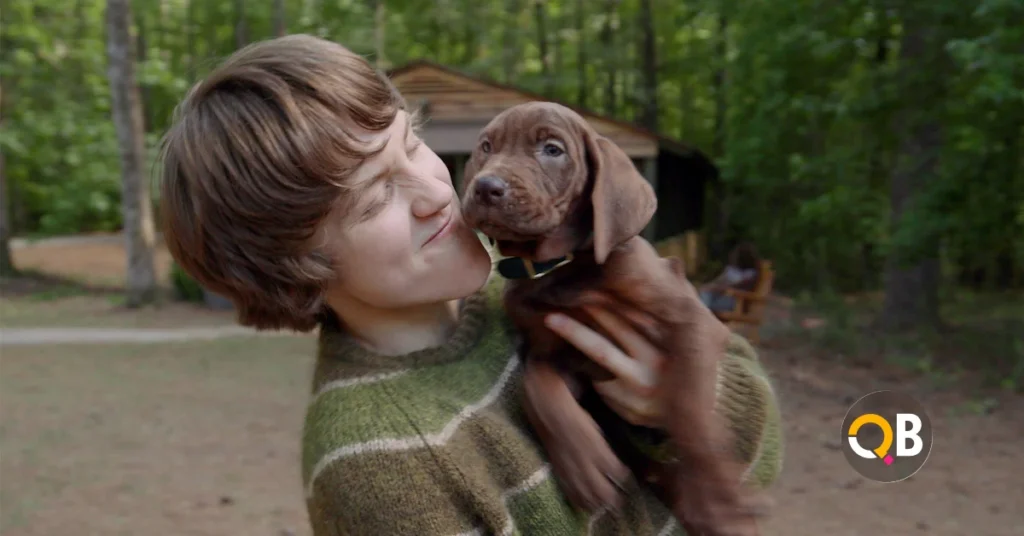
Netflix confirmed that a real chocolate Great Dane puppy was used during production, making it the first major live-action Scooby project to physically portray the character with a real dog on set.
While Netflix has chosen not to publicly reveal the puppy’s identity, confirmation of the casting decision quickly generated excitement among fans.
There are several reasons why the move stands out.
First, it gives actors someone tangible to interact with during scenes.
Second, it introduces a level of authenticity that audiences often appreciate.
Finally, it reconnects the character to his real-world breed in a way that previous adaptations rarely attempted.
For a franchise built around a dog that feels surprisingly real despite being animated, the decision makes a great deal of creative sense.
Why Fans Love the Real-Dog Approach
Part of Scooby-Doo’s appeal has always been emotional rather than visual.
Fans are attached to Scooby because of his personality.
His loyalty is one of his defining traits.
Fans also love his sense of humor.
Unlike many heroes, Scooby is far from perfect.
He is frequently frightened, which makes his moments of bravery even more meaningful.
Most importantly, he’s believable.
Using a real Great Dane puppy helps strengthen those qualities.
Viewers naturally connect with animals in ways that are difficult to replicate through visual effects alone. Small expressions, body language, and genuine canine behavior can add warmth and authenticity to a performance.
The excitement surrounding the casting decision reflects something deeper about the franchise itself.
People do not simply love Scooby because he solves mysteries.
They love him because he feels like a friend.
How Scooby-Doo Continues to Evolve
One of the secrets behind Scooby-Doo’s longevity is adaptability.
Every generation receives a slightly different interpretation of the franchise.
Some versions emphasize comedy.
Others focus on mystery.
Some introduce darker storytelling elements, while others lean into family-friendly humor.
Yet the core identity remains intact.
No matter how the franchise changes, audiences still recognize the familiar formula:
A group of friends encounters a mystery, investigates strange events, works together to uncover clues, and eventually reveals the truth.
That consistency allows Scooby-Doo to evolve without losing what made it special.
Television franchises that successfully balance nostalgia and reinvention often maintain their popularity far longer than expected. Readers interested in how beloved franchises adapt for modern audiences may enjoy Wednesday Season 2: Everything We Know.
Similarly, fans of television mysteries and supernatural adventures can test their knowledge with the Wednesday Quiz.
What Scooby-Doo’s Legacy Says About Great Storytelling
The continued success of Scooby-Doo reveals something important about storytelling.
Technology changes.
Animation styles evolve.
Audience preferences shift.
But certain themes remain timeless.
People are drawn to stories about friendship, curiosity, and overcoming fear.
Scooby embodies those ideas better than most cartoon characters.
He is rarely the bravest person in the room.
He is usually the most frightened.
Yet he consistently chooses loyalty over comfort and friendship over fear.
That simple lesson continues to resonate with viewers decades after the character first appeared.
Netflix’s decision to use a real Great Dane puppy in Scooby-Doo: Origins feels fitting because it brings audiences closer to the qualities that made Scooby beloved in the first place.
Beneath the mysteries, monsters, and laughs, Scooby-Doo has always been a story about friendship. That universal theme explains why the franchise continues finding new fans more than half a century after its debut.
If revisiting Scooby’s origins has you feeling nostalgic, you can also challenge yourself with the Scooby-Doo, Where Are You? Trivia Quiz, which explores the mysteries, villains, and memorable moments that helped make the original series a classic:
Fans who enjoy classic television nostalgia may also like the Big Bang Theory Quiz:
And if you’re curious about how personality and fandom often overlap, How Accurate Are Online Personality Tests? offers an interesting look at why people enjoy discovering more about themselves through interactive experiences:
Frequently Asked Questions
What is Scooby-Doo: Origins about?
Scooby-Doo: Origins is Netflix’s live-action series exploring the early story of the beloved mystery-solving franchise and its iconic Great Dane.
Did Netflix use a real dog for Scooby-Doo: Origins?
Yes. Netflix confirmed that a real chocolate Great Dane puppy was used during production instead of relying entirely on CGI.
What breed is Scooby-Doo?
Scooby-Doo is a Great Dane, although the character’s personality and appearance were intentionally exaggerated for comedic effect.
Where did the name Scooby-Doo come from?
The name was inspired by Frank Sinatra’s famous “doo-be-doo-be-doo” lyric from the song Strangers in the Night.
Why has Scooby-Doo remained popular for so long?
The franchise combines mystery, friendship, humor, and adventure with relatable characters and timeless storytelling themes.